


Getting your nails done can be one of those small beauty expenses that quietly adds up.
A $35 manicure may not seem expensive on its own. But when you visit the salon every two or three weeks, the yearly cost can become surprisingly high. Add gel removal, nail art, extensions, tips, and gratuity, and the total can climb even faster.
That is why more people are wondering whether doing their nails at home is actually worth it.
In 2026, the answer depends on the type of manicure you want, how often you change your nails, and how much you are willing to spend on your initial DIY setup.
Let's compare the real cost of salon manicures versus DIY nails, including supplies, maintenance, hidden costs, and the time involved.
How Much Does a Nail Salon Cost in 2026?
Nail salon prices vary significantly depending on location, salon quality, nail technique, and additional services.
Current 2026 U.S. pricing data puts a standard manicure around $25 to $45, with a median of about $35. Gel manicures commonly fall around $40 to $69, while acrylic full sets can range from roughly $55 to $70 at many salons. Dip powder commonly sits around $20 to $60, although premium salons can charge considerably more.
Prices can also be much higher in major metropolitan areas.
For example, current salon pricing guides show gel manicures reaching $65 to $85 or more in expensive metro markets, while specialty services such as Gel-X, builder gel, Russian manicures, and detailed nail art can push the bill well above $100.
So the price on the menu is only the starting point.
2026 Nail Salon Cost Comparison
Here is a realistic general comparison for U.S. nail services in 2026.
| Nail Service | Typical 2026 Cost |
|---|---|
| Basic manicure | $25-$45 |
| Gel manicure | $40-$69 |
| Acrylic full set | $55-$70+ |
| Dip powder | $40-$60 |
| Gel-X extensions | $55-$110+ |
| Basic nail art | $5-$20+ |
| Gel removal | $10-$35 |
| Acrylic fill | $30-$60 |
| Basic pedicure | $40-$70 |
These are general market ranges, not guaranteed prices. Location and salon level can make a major difference. Current published 2026 pricing data shows that the same service can cost dramatically more in one city than another.
The Hidden Cost of Going to the Salon
The advertised manicure price isn't always your final cost.
Suppose your gel manicure costs $50.
You might also pay for removal if you have an existing set, nail art if you want a more complicated design, an extension or shape upgrade, and a tip for your nail technician.
A $50 appointment can easily become a $60 to $75 visit.
If you go every three weeks, that can mean roughly 17 appointments per year.
At $50 per visit, you're spending about $850 per year.
At $65 per visit, the yearly total becomes approximately $1,105.
And that doesn't include transportation or the time spent traveling to and from the salon.
How Much Does a DIY Manicure Cost?
DIY nails have a completely different cost structure.
Your first manicure can be relatively expensive because you're buying the equipment. After that, each manicure becomes much cheaper because you already own most of the tools.
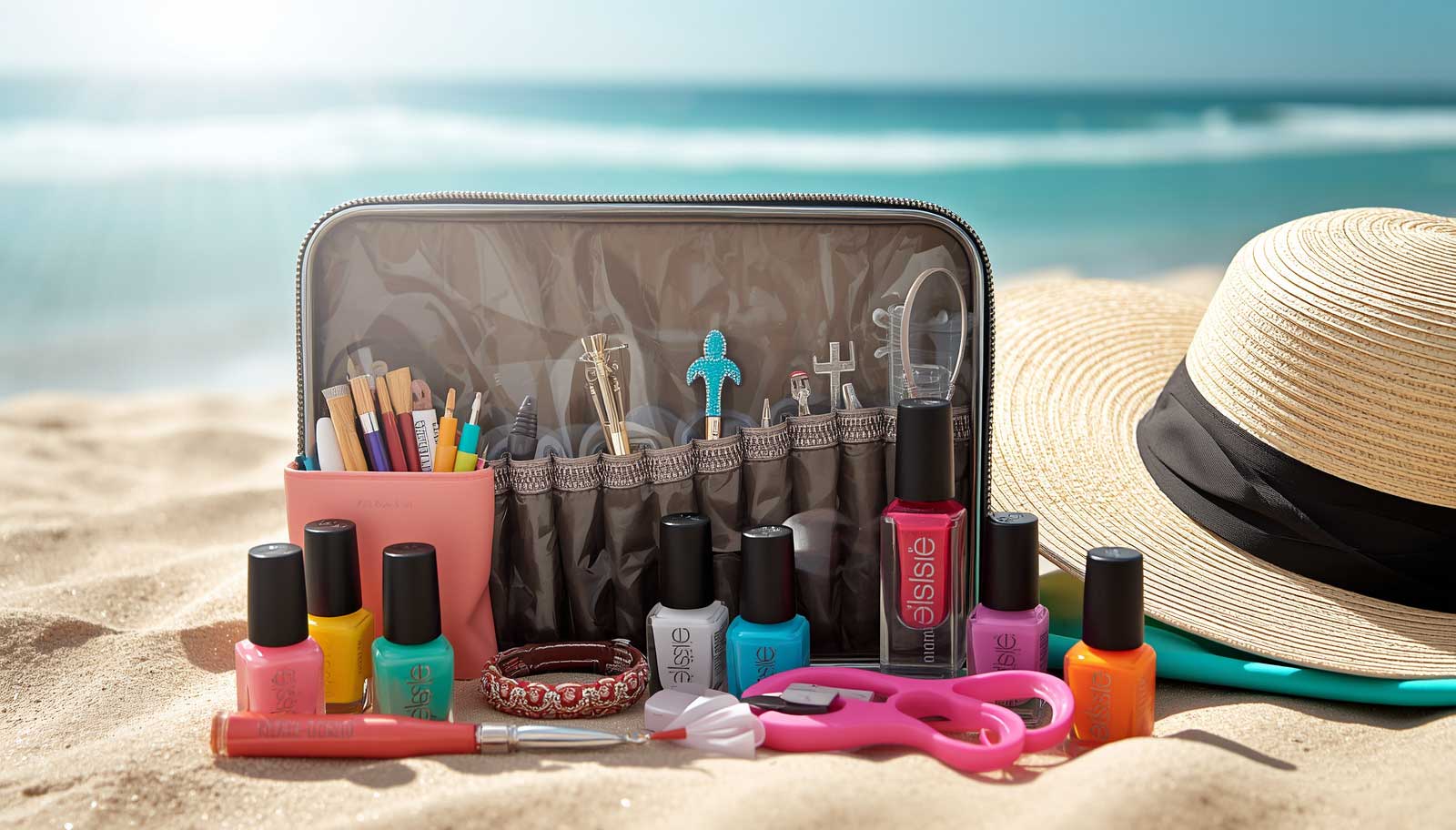
For a basic manicure, you may only need:
- A nail file
- A buffer
- Nail clippers
- Cuticle pusher
- Base coat
- Nail polish
- Top coat
- Cuticle oil
These products can often be purchased gradually instead of all at once.
A simple DIY setup can potentially cost around $20 to $40, depending on the brands you choose.
That means your first few manicures may not feel dramatically cheaper than a salon appointment. The savings become much more noticeable as you continue using the same supplies.
DIY Gel Nails Cost More to Start
Gel nails require a larger initial investment.
You'll generally need a gel lamp, gel polish, base coat, top coat, nail preparation products, files, buffers, and removal supplies.
A basic home gel setup can reasonably cost around $50 to $100 or more depending on the quality and number of products you purchase.
However, those supplies can be used for many manicures.
If your initial setup costs $80 and you complete 20 manicures with it, the equipment portion works out to about $4 per manicure before replacement products are included.
This is where DIY gel nails can become considerably cheaper than salon appointments.
Current beauty coverage also continues to highlight at-home gel systems as a way to recreate salon-style manicures, although proper lamp use, application, and removal remain important.
DIY vs. Salon: Example Cost Over One Year
Let's say you like getting a gel manicure every three weeks.
With a salon price of $50 per appointment, your annual manicure spending could reach approximately $850.
Now compare that with DIY.
Suppose you spend $80 initially on your lamp and tools, followed by approximately $10 to $15 per manicure for polish and consumable products.
Even at $15 per manicure, 17 manicures would cost about $255 in products.
Add the $80 initial setup and your approximate first-year cost becomes $335.
That creates potential savings of more than $500 in the first year compared with an $850 salon routine.
The exact savings will depend on your products, how frequently you do your nails, and how much you spend on replacement supplies.
The Cost Difference Becomes Bigger Over Time
The first year is not always the most impressive comparison.
Once you've purchased your lamp, tools, files, brushes, and other reusable equipment, you don't need to buy everything again for every manicure.
You mainly replace consumables such as polish, remover, cotton, nail tips, disposable items, and occasionally worn-out tools.
That means the cost per manicure can continue to decrease when you regularly do your own nails.
For someone who changes their manicure frequently, this can make DIY especially attractive.
But DIY Has a Time Cost
Money isn't the only thing you spend.
A salon manicure might take around 45 minutes to an hour depending on the service. A detailed set or extension service can take considerably longer.
DIY nails may take longer when you're still learning.
Your first few manicures could take an hour and a half or even longer. You may need extra time to clean up polish, correct mistakes, or redo a nail.
As your technique improves, the process usually becomes faster.
This means the real question isn't simply:
Which option costs less?
It's also:
How much do you value your time?
If you enjoy doing your nails, DIY time may feel like a relaxing beauty routine rather than a cost.
If you dislike the process, spending an hour or two doing your nails may not feel like a bargain.
Salon Nails Have One Major Advantage: Expertise
A professional nail technician brings experience that is difficult to replicate immediately at home.
They can create cleaner shapes, detailed nail art, extensions, intricate finishes, and complicated designs much faster than most beginners.
They also have professional equipment and can often achieve a more consistent result.
For special occasions, weddings, events, vacations, or complicated nail designs, paying for professional work can make sense.
DIY nails are usually most attractive when you're comfortable with simple or moderately detailed styles.
DIY Nails Give You More Freedom
One of the biggest advantages of doing your nails at home is convenience.
You don't need an appointment.
You don't have to drive to a salon.
You can change your polish whenever you want.
You can experiment with different colors and designs without paying an additional nail art fee.
You can also stop halfway through and continue later if necessary.
For people who enjoy experimenting with nail trends, this flexibility can be worth just as much as the financial savings.
What About Nail Art?
Nail art is where the salon versus DIY price difference can become particularly noticeable.
Simple nail art may add only a few dollars to a salon service, while detailed custom designs can add considerably more.
Some 2026 salon pricing guides put simple nail art around $5 to $15, while complex custom designs can cost $50 or more depending on the salon and design.
At home, however, the same design may require only a few inexpensive tools.
A dotting tool, thin nail-art brush, stamping plate, chrome powder, stickers, or small embellishments can give you many different looks.
The downside is that DIY nail art requires practice.
Salon vs. DIY for Acrylic Nails
Acrylic nails are one category where professional application can be especially valuable.
Acrylic services involve preparation, product application, shaping, and often additional filing. The initial set is also followed by regular fills as the natural nail grows.
The American Academy of Dermatology notes that acrylic nails require filing the natural nail surface to help the product adhere, which can thin the natural nail. Regular fills are typically needed every two to three weeks, and frequent artificial nail use can contribute to nail damage.
DIY acrylics may save money, but they also have a steeper learning curve.
If you're inexperienced, achieving the correct product ratio, structure, thickness, and shape can be difficult.
For beginners, simple polish or press-on nails may be a more approachable place to start.
What About DIY Press-On Nails?
Press-on nails can offer one of the lowest-cost ways to get an extension-style manicure at home.
You don't need a UV lamp, professional nail drill, or extensive collection of gel products.
A good-quality press-on set can also be applied relatively quickly.
They're particularly useful when you want longer nails for an event without committing to a salon appointment.
The main downside is that wear time can vary depending on nail preparation, adhesive, lifestyle, and the quality of the press-ons.
Don't Ignore Nail Health
Cost should not be the only factor when comparing salon and DIY nails.
Gel and artificial nails can cause problems when applied or removed incorrectly.
The American Academy of Dermatology notes that gel manicures can contribute to brittleness, peeling, and cracking. Dermatologists also recommend avoiding cuticle cutting, using properly sterilized tools, and taking breaks from gel manicures when appropriate.
At home, one major advantage is that you control your own tools and products.
But that only helps if you use them correctly.
Never peel off gel polish, aggressively file the natural nail, or repeatedly apply product over damaged nails simply to hide the damage.
When Going to a Salon Is Worth the Money
Salon appointments can absolutely be worth the cost.
A professional manicure makes sense when you want:
- A complicated nail design
- Professional extensions
- A special-event manicure
- Perfect shaping
- Detailed nail art
- A relaxing beauty experience
- A faster result
- Professional advice about a particular service
If you're preparing for a wedding or another important event, paying for professional work may be more practical than trying a complicated technique for the first time at home.
When DIY Nails Are the Better Choice
DIY is particularly attractive if you:
- Change your nail color frequently
- Enjoy experimenting with trends
- Want to reduce beauty expenses
- Prefer doing your nails at home
- Have simple manicure preferences
- Don't mind learning new techniques
- Want to avoid salon appointments
For someone who gets their nails done every two or three weeks, the savings can become substantial over a full year.
Nail Salon vs. DIY: Which Is Cheaper?
For most people, DIY nails are cheaper in the long run.
Salon manicures provide professional results and convenience, but you're paying for the technician's time, salon overhead, equipment, products, and expertise every time you visit.
With DIY nails, your biggest expense is usually the initial setup.
After that, each manicure can cost significantly less.
A person spending $50 every three weeks at a salon could spend around $850 per year.
Someone investing around $80 in a DIY setup and spending approximately $10 to $15 per manicure could potentially spend closer to $250 to $335 in the first year, depending on product usage.
The difference becomes even more significant for people who regularly pay for nail art, extensions, removals, or premium salon services.
The Best Option May Be a Combination of Both
You don't necessarily have to choose one or the other.
A hybrid approach can offer the best balance.
You could do basic manicures, gel polish, and simple nail art at home while visiting a salon for acrylics, extensions, intricate designs, or special occasions.
For example, doing your own nails three times and visiting a salon once for a special occasion could dramatically reduce your annual spending without completely giving up professional manicures.
This can also give your natural nails occasional breaks from artificial products.
Final Verdict
If your main priority is saving money, DIY nails win.
If your priority is professional results, convenience, and complicated designs, a salon can be worth the extra expense.
For many nail lovers, the smartest approach in 2026 is a combination of both.
Invest in a good DIY setup, learn a few reliable techniques, and reserve salon appointments for the occasions when professional work genuinely adds value.
That way, you can enjoy beautiful nails without automatically spending hundreds or even more than a thousand dollars every year.


Comments (0)
No comments yet. Be the first to share your thoughts!
Leave a Comment
You must be logged in to post a comment.