


When it comes to nail care, few topics create more confusion than cuticle maintenance. Walk into a nail salon, watch a manicure tutorial online, or browse beauty forums, and you'll quickly find conflicting advice. Some people insist that cutting cuticles is essential for a clean, professional-looking manicure, while others argue that cuticles should never be cut at all.
So who's right?
The truth lies somewhere in the middle. While both cuticle cutting and cuticle pushing have their place in nail care, one method is generally safer and healthier for most people. Understanding the purpose of your cuticles and how they protect your nails can help you make better decisions and avoid common mistakes that may lead to irritation, infection, or nail damage.
If you've ever wondered whether you should be cutting or simply pushing back your cuticles, here's what you need to know.
What Exactly Is a Cuticle?
Before discussing removal methods, it's important to understand what the cuticle actually is.
The cuticle is a thin layer of dead skin that sits on the nail plate near the base of the nail. Its primary job is to create a protective seal between the nail plate and the surrounding skin.
This seal helps prevent bacteria, fungi, and other contaminants from entering the area where new nail growth forms.
Many people mistakenly refer to the living skin around the nail as the cuticle. In reality, much of what people trim during a manicure is actually the eponychium, which is living tissue that helps protect the nail matrix.
Understanding this distinction is important because removing healthy living tissue can create unnecessary risks.
Why Cuticles Matter More Than You Think
Cuticles may seem insignificant, but they serve an important purpose.
Without a healthy cuticle barrier, the nail area becomes more vulnerable to:
Bacterial infections
Fungal infections
Irritation
Inflammation
Nail growth problems
Healthy cuticles support healthy nails.
This is why many dermatologists and nail professionals encourage gentle maintenance rather than aggressive removal.
The goal should be managing excess cuticle buildup while preserving the protective function of the nail area.
What Happens During Cuticle Pushing?
Cuticle pushing involves gently moving excess cuticle tissue away from the nail plate.
Typically, the process begins after soaking the nails or applying a cuticle softener. Once the skin has softened, a cuticle pusher is used to carefully push the cuticle back toward the base of the nail.
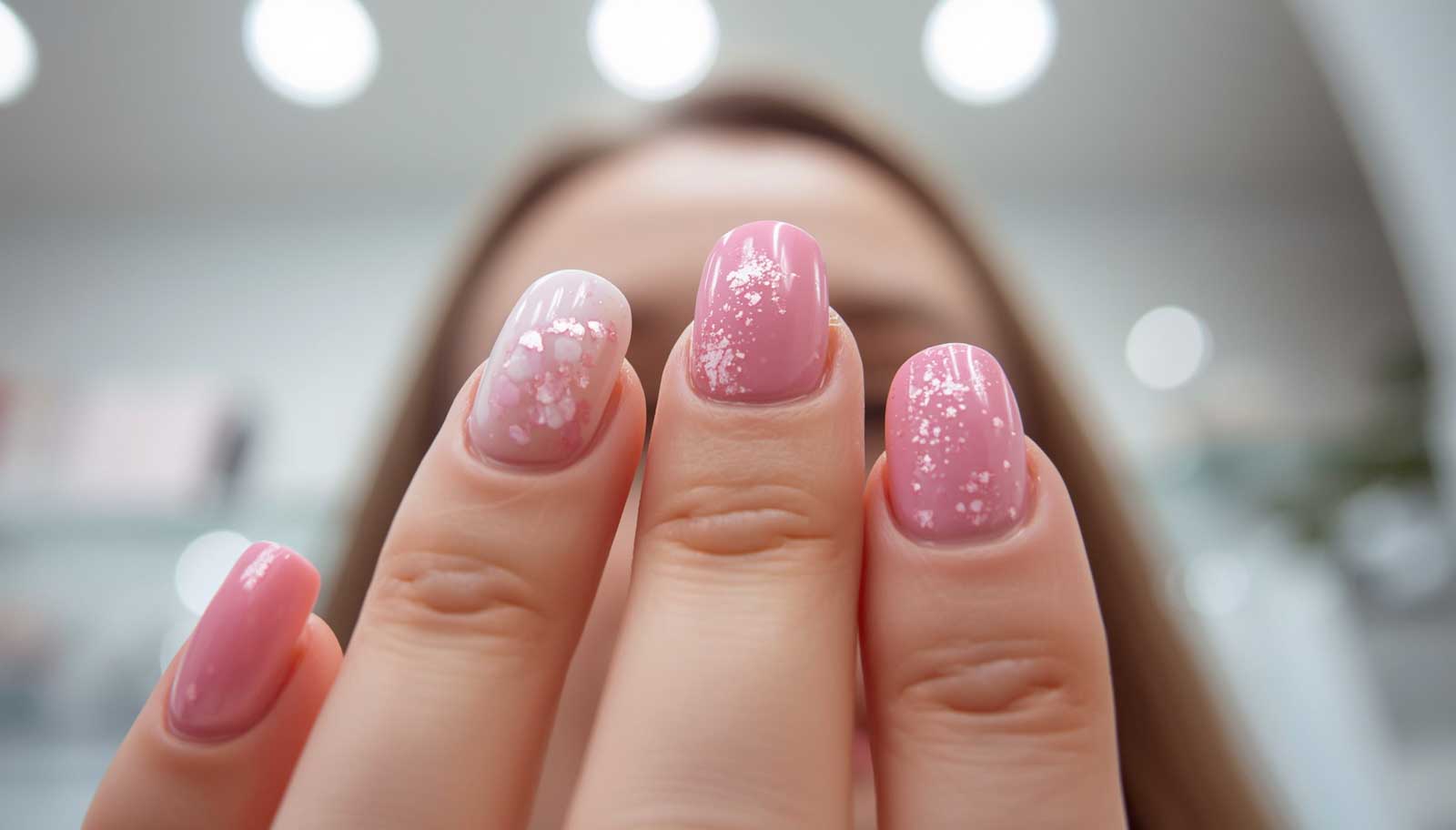
This creates a cleaner appearance and exposes more of the nail surface without removing significant amounts of tissue.
The process is generally quick, simple, and considered low risk when performed correctly.
Many professional manicurists view cuticle pushing as the safest standard approach for routine nail maintenance.
The Benefits of Pushing Cuticles
Cuticle pushing offers several advantages.
First, it preserves the natural protective barrier around the nail. Since little or no tissue is removed, the risk of injury is reduced.
Second, pushing creates a neat and polished appearance without introducing unnecessary trauma.
Many people are surprised by how clean their nails look after simply pushing back softened cuticles.
Other benefits include:
Lower infection risk
Less irritation
Easier maintenance
Healthier nail growth environment
Suitable for frequent manicures
For most people, pushing provides all the cosmetic benefits they want without the downsides associated with cutting.
What Happens During Cuticle Cutting?
Cuticle cutting involves trimming away portions of cuticle tissue using cuticle nippers or scissors.
This technique is commonly performed during professional manicures and can create an exceptionally clean appearance around the nail.
When done carefully by a skilled professional, cuticle cutting can remove loose dead skin and improve the appearance of overgrown cuticles.
However, problems often arise when too much tissue is removed.
The challenge is distinguishing between dead cuticle tissue and healthy living skin.
Even experienced technicians must be careful to avoid over-cutting.
The Risks of Cutting Cuticles
The biggest concern with cuticle cutting is that it can compromise the nail's natural protective barrier.
Removing too much tissue may increase the likelihood of:
Redness
Tenderness
Bleeding
Inflammation
Infection
Tiny cuts around the nail may seem harmless, but they can provide an entry point for bacteria and other microorganisms.
Repeated aggressive cutting can also encourage the skin to become rougher and more prone to hangnails.
In some cases, excessive cuticle cutting creates a cycle where the skin continually becomes irritated and requires even more maintenance.
Why Some Nail Technicians Still Cut Cuticles
Despite the risks, many salons continue offering cuticle cutting because clients often prefer the appearance.
Freshly cut cuticles can make a manicure look exceptionally neat and polished, especially in close-up photos.
For certain nail services, removing small amounts of excess dead skin may also help create cleaner polish application near the cuticle line.
The key difference is moderation.
Skilled technicians typically remove only loose dead tissue rather than aggressively cutting healthy skin.
When performed conservatively, the risks are significantly lower.
What Dermatologists Generally Recommend
Many dermatologists recommend minimizing cuticle cutting whenever possible.
The general consensus is that pushing back softened cuticles is usually sufficient for maintaining both appearance and nail health.
Medical professionals often see the consequences of excessive cuticle removal, including infections and chronic irritation.
Because cuticles serve an important protective function, preserving them is generally viewed as the safer approach.
This does not necessarily mean cuticles should never be trimmed, but routine aggressive cutting is rarely encouraged.
What About Hangnails?
Hangnails are often confused with cuticles.
A hangnail is a small piece of torn skin near the nail that can become painful and catch on clothing or hair.
Unlike healthy cuticles, hangnails should usually be trimmed carefully rather than pulled.
Pulling hangnails can worsen the tear and increase the risk of infection.
Using sanitized cuticle nippers to remove only the loose piece of skin is typically the safest solution.
The Best Approach for Most People
For the average person, a gentle cuticle care routine usually works best.
This often includes:
Applying cuticle oil daily
Softening cuticles regularly
Gently pushing cuticles back
Trimming only obvious dead skin or hangnails
Avoiding aggressive cutting
Consistent maintenance prevents excessive buildup and often eliminates the need for extensive trimming.
Healthy cuticles tend to look better and function better over time.
How Cuticle Oil Changes Everything
If there is one product that can improve cuticle health more than almost anything else, it is cuticle oil.
Dry cuticles become rough, flaky, and more prone to hangnails. Moisturized cuticles remain flexible and healthy.
Regular use of cuticle oil can:
Reduce dryness
Prevent cracking
Minimize hangnails
Improve nail appearance
Support healthy growth
Many cuticle problems that lead people to cut their cuticles aggressively can actually be prevented through consistent hydration.
Signs You're Removing Too Much
Your cuticle routine may be too aggressive if you frequently experience:
Bleeding
Redness
Pain
Swelling
Recurring infections
Excessive sensitivity
Healthy cuticle care should not hurt.
If your nail area consistently feels irritated after manicures, it may be worth reassessing your approach.
Gentler maintenance often produces better long-term results.
Can Cuticles Grow Back Thicker?
Many people believe cutting cuticles causes them to grow back thicker.
While cuticles do not technically grow back thicker in the same way hair sometimes appears coarser after shaving, repeated trauma can make the area look rougher and more irregular over time.
This can create the impression that the cuticles are becoming larger or more difficult to manage.
Consistent hydration and gentle care often lead to smoother, healthier-looking cuticles.
Final Thoughts
When comparing cuticle cutting versus pushing, pushing is generally the healthier and safer option for most people. It preserves the natural protective barrier around the nail while still creating a clean, polished appearance.
Cuticle cutting is not inherently bad, but it requires skill, restraint, and proper technique. Removing too much tissue can increase the risk of irritation and infection while compromising nail health.
For most nail enthusiasts, the ideal approach is simple: keep cuticles moisturized, gently push them back when necessary, and reserve trimming for obvious dead skin or hangnails.
Beautiful nails do not require aggressive cuticle removal. In fact, some of the healthiest nails come from respecting the important role that cuticles play in protecting them.

Comments (0)
No comments yet. Be the first to share your thoughts!
Leave a Comment
You must be logged in to post a comment.