


If you work out regularly, you already know that an active lifestyle can affect more than your muscles and skin. Your nails can also take a beating.
Frequent hand washing, sweat, showers, weightlifting, running, sports, and contact with gym equipment can leave your nails dry, brittle, chipped, or prone to breaking.
That doesn't mean you have to give up beautiful nails.
With a simple nail care routine for gym-goers, you can keep your nails strong, clean, and healthy while still enjoying your workouts.
The key is choosing practical nail habits that fit naturally into your fitness routine.
Why Working Out Can Affect Your Nails
Exercise itself isn't bad for your nails. In fact, regular physical activity supports overall health.
The problem is the combination of moisture, friction, repeated washing, and physical stress that often comes with an active lifestyle.
Sweat can leave your hands and feet damp for extended periods. Gym showers and swimming pools add even more moisture exposure.
Weight training can also put pressure on the free edge of your nails, while sports and activities involving equipment can cause accidental breaks.
Understanding these factors makes it easier to protect your nails.
Keep Your Nails Short and Practical
If you regularly lift weights, play sports, climb, cycle, or participate in high-intensity workouts, shorter nails are usually easier to manage.
Long nails can catch on equipment or experience pressure when you grip weights and handles.
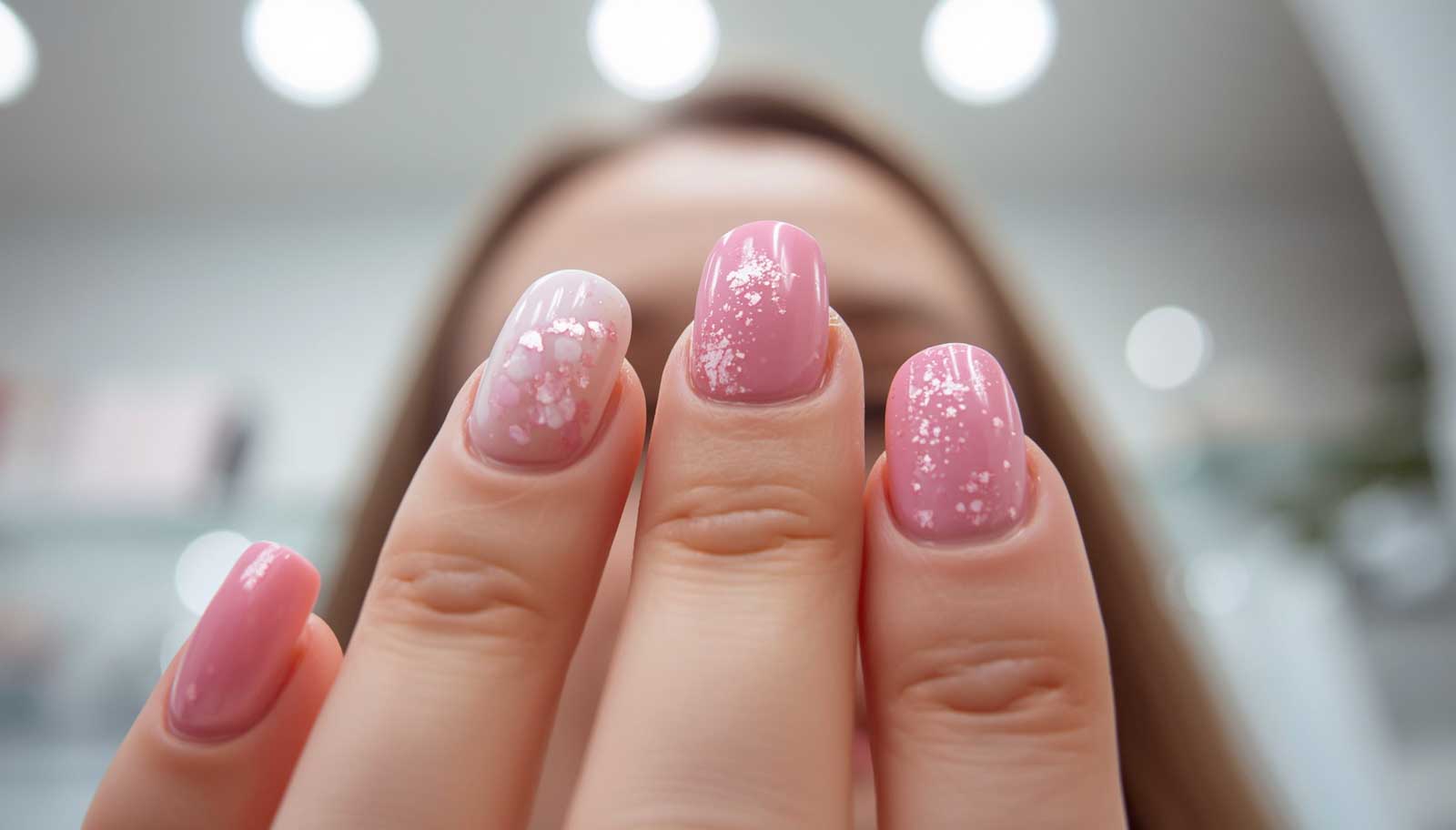
A short round, oval, or squoval shape can give you a neat manicure while reducing the chances of accidental breaks.
You don't have to sacrifice style either. A glossy nude polish, simple French tips, or a clean sheer manicure can look beautiful on short nails.
Clean Your Nails After a Workout
Good nail hygiene is especially important when you're active.
Gym equipment is touched by many people throughout the day, so wash your hands after your workout and before eating.
Pay attention to the area underneath your nails, but avoid aggressively digging underneath them with sharp tools.
A soft nail brush can help remove dirt when necessary.
After washing, dry your hands thoroughly.
Keeping your nails and surrounding skin clean and dry helps prevent irritation and keeps your manicure looking fresh.
Don't Leave Sweat on Your Nails
Sweat and moisture are a normal part of exercise, but staying in damp conditions for long periods isn't ideal for your skin or nails.
After a workout, change out of sweaty clothing and dry your hands and feet.
If your socks become damp during exercise, change them as soon as practical.
This is particularly important if you frequently deal with sweaty feet.
Breathable footwear and clean socks can make your post-workout nail and foot care routine much easier.
Moisturize After Washing Your Hands
Frequent hand washing is great for hygiene but can leave your skin and cuticles feeling dry.
After washing your hands, apply a hand cream and a small amount of cuticle oil.
Pay attention to the skin around the nails because dry cuticles can become rough, cracked, and uncomfortable.
You don't need a complicated routine.
A small bottle of cuticle oil in your gym bag can make it easy to moisturize after washing your hands.
Protect Your Nails During Weightlifting
Weightlifting can be particularly hard on long nails.
Gripping dumbbells, barbells, cables, and other equipment can put pressure on your fingertips and nail edges.
If you notice frequent breaks or chips, consider shortening your nails or choosing a more rounded shape.
You can also pay attention to how you grip equipment. Avoid putting unnecessary pressure directly on the tips of your nails.
Your nails should never be used to grip or scrape equipment.
Be Careful With Gel and Artificial Nails
Gel manicures, acrylics, and extensions can work with an active lifestyle, but they require extra care.
Long extensions may be more likely to catch or experience stress during workouts.
If you love extensions, consider a shorter length and a durable shape such as short almond or squoval.
Most importantly, don't pick or peel lifting gel or artificial nails.
If a nail becomes damaged or starts lifting, have it removed properly rather than pulling it off.
Give Your Nails a Break When Needed
You don't necessarily need to stop wearing polish to have healthy nails.
However, if your nails become unusually thin, weak, sore, or damaged, give them time to recover before applying another enhancement.
Keeping nails short and moisturized can make everyday activities much easier while they grow.
Pay attention to changes in your nails rather than following a fixed schedule.
Take Care of Your Feet Too
An active lifestyle can put just as much stress on toenails as fingernails.
Running, hiking, cycling, and sports can create repeated pressure on the toes, especially if your shoes don't fit properly.
Choose footwear that provides enough room for your toes.
Keep toenails trimmed to a comfortable length and file sharp edges smoothly.
If you notice persistent pain, discoloration, thickening, or changes in a toenail, consider getting it checked by a healthcare professional rather than trying to cover it with polish.
Don't Ignore Your Gym Shoes
Your nail care routine doesn't stop at your nails.
Shoes and socks play an important role in keeping your feet comfortable and dry.
Allow workout shoes to dry completely between uses whenever possible.
Wear clean socks and avoid staying in damp footwear after exercise.
These simple habits can help maintain healthier feet and make your overall nail care routine more effective.
The Best Nail Shape for Active Lifestyles
There isn't one perfect shape for everyone, but practical shapes tend to work best for people who exercise frequently.
Round nails are comfortable and easy to maintain.
Squoval nails offer a little more structure while keeping the corners soft.
Short oval nails provide an elegant appearance without requiring excessive length.
If you prefer almond nails, keeping them short or medium length can make them more practical for workouts.
Very long coffin and stiletto nails may be less convenient for activities that involve gripping, lifting, or contact with equipment.
A Simple Post-Workout Nail Care Routine
You don't need to spend 30 minutes caring for your nails after every workout.
A simple routine is enough.
Wash your hands and clean underneath your nails gently.
Dry your hands and feet completely.
Apply hand cream and cuticle oil.
Change out of damp workout clothes and socks.
Check for any cracks, chips, lifting, or irritation.
This takes only a few minutes but can make a noticeable difference over time.
What to Keep in Your Gym Bag
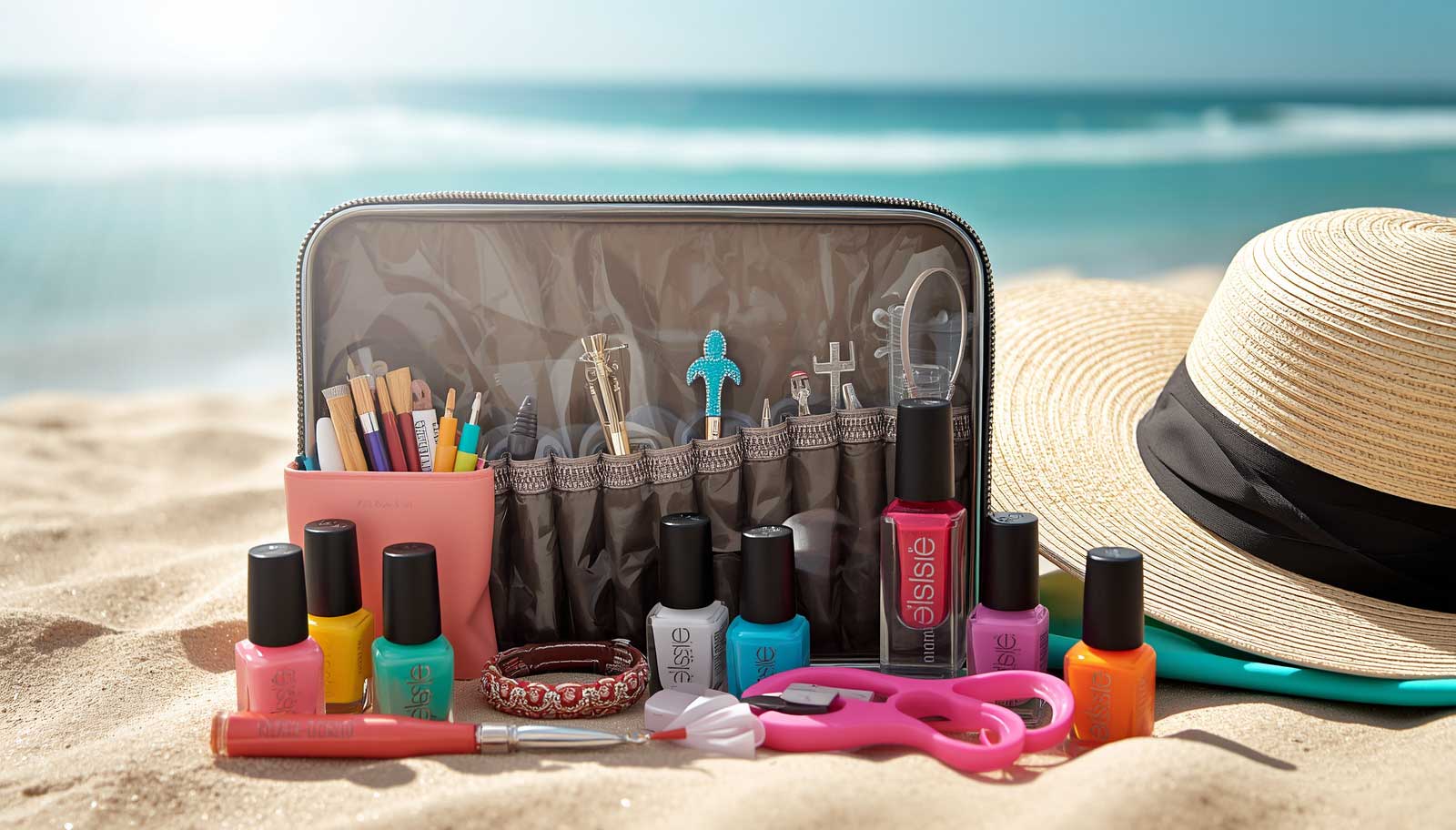
A few small nail care essentials can be useful when you're away from home.
Keep a small nail file for smoothing unexpected rough edges.
Cuticle oil can help with dry skin around your nails, while hand cream is useful after frequent hand washing.
If you have longer nails or wear extensions, carrying a small emergency nail kit can help you deal with minor problems before they become bigger ones.
Common Nail Care Mistakes Active People Make
One common mistake is keeping nails too long for the activities you regularly perform.
Another is leaving sweaty socks or workout clothes on for hours after exercising.
Aggressively cleaning underneath the nails can also cause irritation, especially if you use sharp tools.
And if gel or artificial nails start lifting, peeling them off can damage the natural nail underneath.
A practical routine is usually better than an elaborate one.
How Often Should You Trim Your Nails?
There is no universal schedule because nails grow at different rates.
Instead of trimming them on a specific day, check them regularly.
If the free edge starts interfering with your workouts or catches on equipment and clothing, it's probably time to shorten them.
Keeping the edges smooth is just as important as keeping the nails short.
When to See a Professional
Most everyday nail problems can be managed with basic care, but persistent changes should not be ignored.
If you notice ongoing pain, swelling, significant discoloration, separation of the nail from the nail bed, or unusual thickening, consider speaking with a healthcare professional.
Don't try to hide persistent nail changes under polish or artificial nails.
Final Thoughts
A good nail care routine for gym-goers doesn't need to be complicated.
Keep your nails at a practical length, clean and dry them after workouts, moisturize your hands and cuticles, and protect your nails from unnecessary pressure during exercise.
Short round, oval, and squoval shapes are especially practical for active lifestyles, but you can still enjoy gel polish, nail art, and other manicure styles with a little extra care.
The goal isn't to choose between fitness and beautiful nails. It's to build a nail care routine that fits naturally into the way you live and exercise.

Comments (0)
No comments yet. Be the first to share your thoughts!
Leave a Comment
You must be logged in to post a comment.