


A great nail salon can leave you feeling confident, relaxed, and excited about your manicure. A bad one can leave you with damaged nails, poor results, wasted money, or even health concerns.
Most people choose a salon based on online reviews, photos, pricing, or recommendations from friends. While those factors are important, they don't always tell the full story. Some of the most important signs of a quality salon become obvious only after you walk through the door.
The good news is that you don't need to be a nail professional to spot potential problems. By paying attention to a few key details, you can avoid many common salon mistakes and protect both your nails and your overall experience.
Here are some nail salon red flags that should never be ignored.
Poor Cleanliness Standards
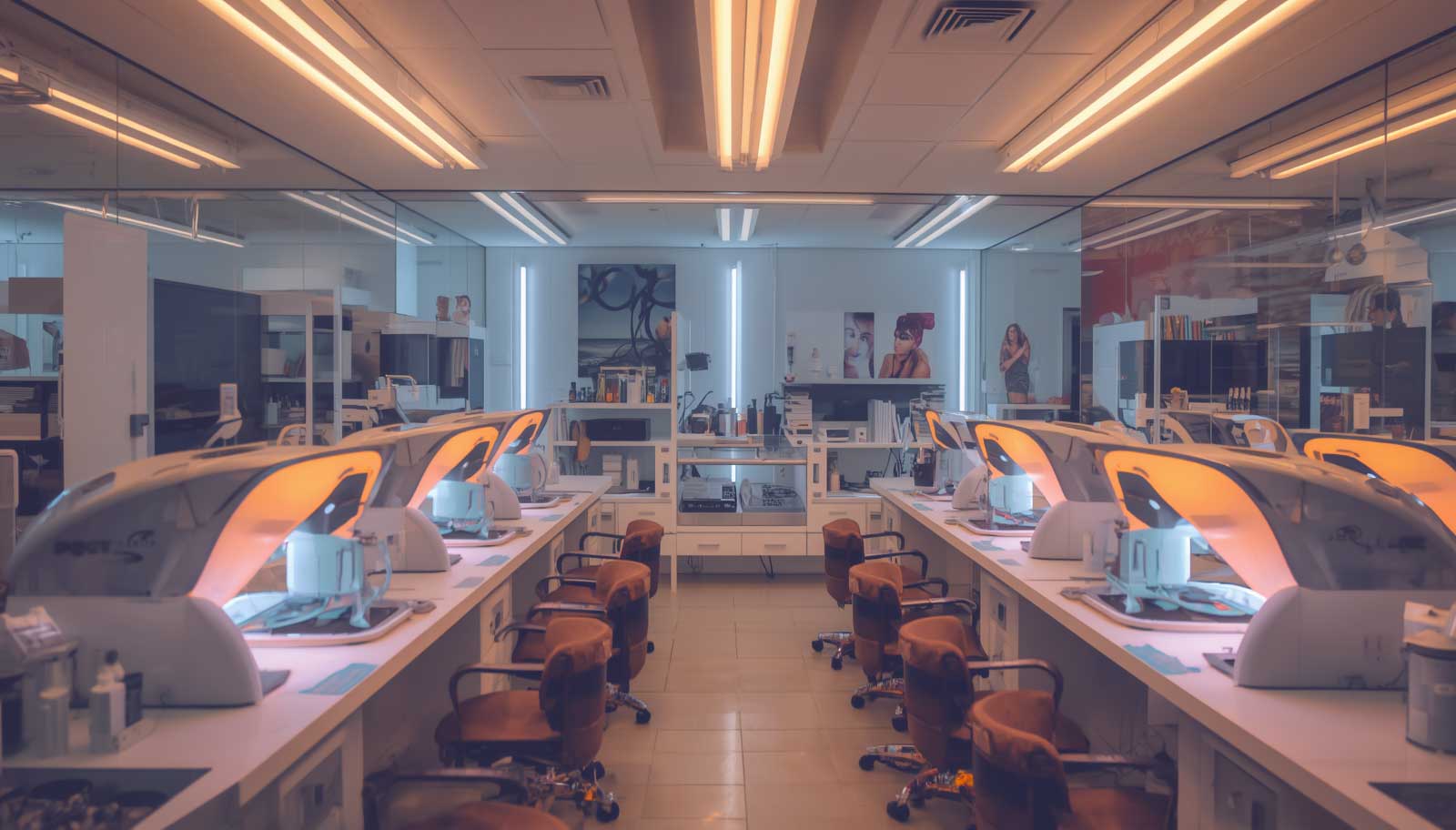
Cleanliness is one of the first things you should notice when entering a salon.
A professional nail salon doesn't have to look luxurious, but it should look clean and organized.
Pay attention to:
Workstations
Floors
Tools
Pedicure stations
Trash disposal
If equipment appears dirty, surfaces are covered with dust, or used tools are sitting around between clients, it may indicate poor sanitation practices.
A clean environment shows that the salon takes both professionalism and client safety seriously.
Reused Disposable Items
Many manicure tools are designed for single use.
Items such as nail files, buffers, toe separators, and certain sanding bands should typically be discarded or provided new for each client.
If you notice a salon repeatedly using disposable items on multiple clients without replacement, that's a concern.
Cross-contamination is something reputable salons work hard to prevent.
When in doubt, don't hesitate to ask how tools are cleaned and handled.
Professional salons are usually happy to explain their sanitation procedures.
Tools That Don't Appear Properly Sanitized
Metal tools such as nippers, pushers, and clippers should be cleaned and disinfected between clients.
You don't need to inspect every tool closely, but you should feel confident that sanitation is being taken seriously.
If tools appear stained, dirty, or immediately reused without proper cleaning, that's a major warning sign.
Good salons understand that hygiene is not optional.
It's part of the service.
Rushed Nail Technicians
A busy salon isn't necessarily a bad thing.
However, technicians who constantly rush through appointments may compromise quality.
If your appointment feels hurried from start to finish, important preparation steps may be skipped.
This can lead to:
Uneven polish
Premature lifting
Poor shaping
Cuticle damage
Shorter manicure lifespan
A skilled nail technician works efficiently without making you feel rushed.
Quality often requires attention to detail.
Aggressive Filing and Buffing
One of the most common causes of nail damage is excessive filing.
Some salons remove too much of the natural nail during preparation, especially before gel, acrylic, or dip powder services.
Light buffing is normal.
Aggressive filing that creates discomfort, heat, or sensitivity is not.
Your natural nails should not feel painful during preparation.
If a technician seems overly aggressive with an electric file or buffer, it's reasonable to speak up.
Healthy nails should always be the priority.
Cutting Cuticles Excessively
Cuticles often get misunderstood.
Many people assume they should be removed completely, but cuticles actually serve a protective purpose.
While trimming small amounts of dead skin may sometimes be appropriate, aggressive cuticle cutting can increase the risk of irritation and infection.
A professional technician understands the difference between proper grooming and excessive removal.
If your fingers are consistently sore or bleeding after appointments, something may be wrong.
Strong Chemical Odors Everywhere
Some nail products naturally have noticeable odors.
However, overwhelming chemical smells throughout the salon may indicate poor ventilation.
Good salons invest in proper airflow systems to improve comfort and reduce unnecessary exposure to product fumes.
If the environment feels difficult to tolerate after only a few minutes, ventilation may be inadequate.
Comfort and safety should always be considered.
Technicians Who Ignore Your Questions
Communication matters.
A quality nail technician should be willing to answer reasonable questions about products, techniques, aftercare, and nail health.
If a technician becomes defensive, dismissive, or irritated when asked simple questions, consider it a warning sign.
Professional nail care is a service.
You should feel comfortable discussing your preferences and concerns.
Respectful communication creates a better experience for everyone.
Pushing Unnecessary Add-On Services
Upselling exists in many industries, including beauty services.
Recommending additional treatments isn't automatically a problem.
The issue arises when clients feel pressured into services they don't want or need.
A good salon provides recommendations without creating discomfort.
You should never feel guilty for declining an upgrade or additional treatment.
Professional guidance and aggressive sales tactics are very different things.
Ignoring Signs of Nail Damage
A knowledgeable technician should pay attention to the condition of your nails.
If your nails show signs of severe thinning, lifting, infection, or damage, a responsible professional should address the issue rather than simply applying another service over the problem.
Covering damaged nails without discussing the underlying issue may lead to further complications.
Healthy nails should always come before cosmetic results.
Unlicensed or Unqualified Technicians
Licensing requirements vary by state, but professional salons generally employ trained technicians who meet local regulations.
If a salon seems unwilling to discuss qualifications or appears to operate without proper credentials, proceed carefully.
Training matters.
Proper education helps technicians understand sanitation, nail anatomy, product safety, and best practices.
Professional expertise often shows in both service quality and client care.
Poor Product Quality
Not all nail products are created equal.
Extremely low-quality products can contribute to lifting, discoloration, allergic reactions, or poor durability.
While clients don't need to memorize product brands, reputable salons generally use products from established manufacturers.
If products appear old, contaminated, or improperly stored, that's worth noting.
Quality products often contribute to better long-term results.
Pain Should Never Be Normal
One of the biggest myths in the beauty industry is that discomfort is simply part of the process.
A manicure should not be painful.
While occasional mild pressure may occur during certain services, significant pain should never be ignored.
Pain during filing, drilling, cuticle work, or product application may indicate that something is wrong.
If a service hurts, say something.
A professional technician should adjust immediately.
Dirty Pedicure Stations
Pedicure stations deserve special attention.
These areas come into direct contact with water, skin, and feet throughout the day.
Improperly cleaned foot baths can create hygiene concerns.
Take a moment to observe whether stations appear clean and well-maintained.
A salon's approach to pedicure sanitation often reveals a great deal about its overall standards.
Reviews Mention the Same Problems Repeatedly
Online reviews are not perfect, but patterns matter.
One negative review among hundreds of positive ones may not mean much.
Repeated complaints about:
Poor sanitation
Nail damage
Rude staff
Inconsistent quality
Product issues
deserve attention.
Look for recurring themes rather than isolated comments.
Consistent feedback often paints a more accurate picture of the client experience.
What Great Nail Salons Usually Have in Common
Interestingly, the best salons often share similar qualities.
They prioritize cleanliness, communicate clearly, respect client preferences, and focus on nail health rather than simply rushing through appointments.
They also tend to educate clients instead of pressuring them.
When a salon values long-term relationships over quick transactions, it usually shows.
Those are often the businesses worth returning to.
Final Thoughts
Finding a trustworthy nail salon is about more than beautiful Instagram photos or trendy nail designs. The quality of the environment, sanitation practices, communication, and overall professionalism all play important roles in protecting your nail health and ensuring a positive experience.
Most red flags are surprisingly easy to spot once you know what to look for. Clean tools, proper hygiene, respectful communication, and attention to nail health should never be optional.
The best manicure is one that looks great while keeping your natural nails healthy underneath.
A salon that prioritizes both beauty and safety is always worth choosing.
Comments (0)
No comments yet. Be the first to share your thoughts!
Leave a Comment
You must be logged in to post a comment.