


Few beauty emergencies are as frustrating as a broken nail.
It always seems to happen at the worst possible time. Maybe you've spent weeks growing your nails, just finished a fresh manicure, or have an important event coming up. Then suddenly, one nail cracks, splits, or tears.
The first instinct is often to clip the entire nail short and start over. Fortunately, that isn't always necessary.
Depending on the type of break, there are several simple ways to temporarily repair a damaged nail and keep it looking presentable until it grows out. While no repair method is permanent, some can last surprisingly well for days or even weeks.
If you're dealing with a broken nail right now, here's how to fix it quickly and minimize further damage.
First, Determine How Bad the Break Is
Not all broken nails are the same.
A small crack near the tip is much easier to repair than a deep tear extending into the pink part of the nail.
Minor breaks often include:
Small splits at the edge
Tiny cracks
Corner breaks
Snags
More serious breaks may involve pain, bleeding, or separation of the nail from the nail bed.
If the break is painful or extends into living tissue, focus on protecting the area and consider seeking medical advice if necessary.
For most cosmetic breaks, home repair methods work surprisingly well.
The Tea Bag Repair Trick
One of the most popular nail repair methods uses something many people already have at home: a tea bag.
The thin material acts like a lightweight patch that reinforces the damaged area.
Start by cutting a small piece of clean tea bag material slightly larger than the crack.
Apply a thin layer of nail glue or clear base coat over the damaged area and place the tea bag patch on top.
Allow it to dry completely.
Once dry, apply another thin layer of clear polish or nail glue to seal everything in place.
After gently buffing the surface, the repair often becomes nearly invisible.
This simple technique has been a favorite among nail enthusiasts for years because it is affordable and effective.
Nail Glue Can Be a Lifesaver
For clean, small cracks, nail glue often provides the fastest fix.
Apply a tiny amount directly over the crack and allow it to dry completely.
The glue helps hold the damaged area together while reducing the risk of the crack spreading.
However, nail glue works best on small breaks.
Larger splits may benefit from additional reinforcement such as the tea bag method.
Remember that more glue is not better.
Using excessive amounts can create a bulky appearance and make the repair more noticeable.
Cover the Damage With Polish
If the crack is minor, a fresh manicure may be enough to hold things together temporarily.
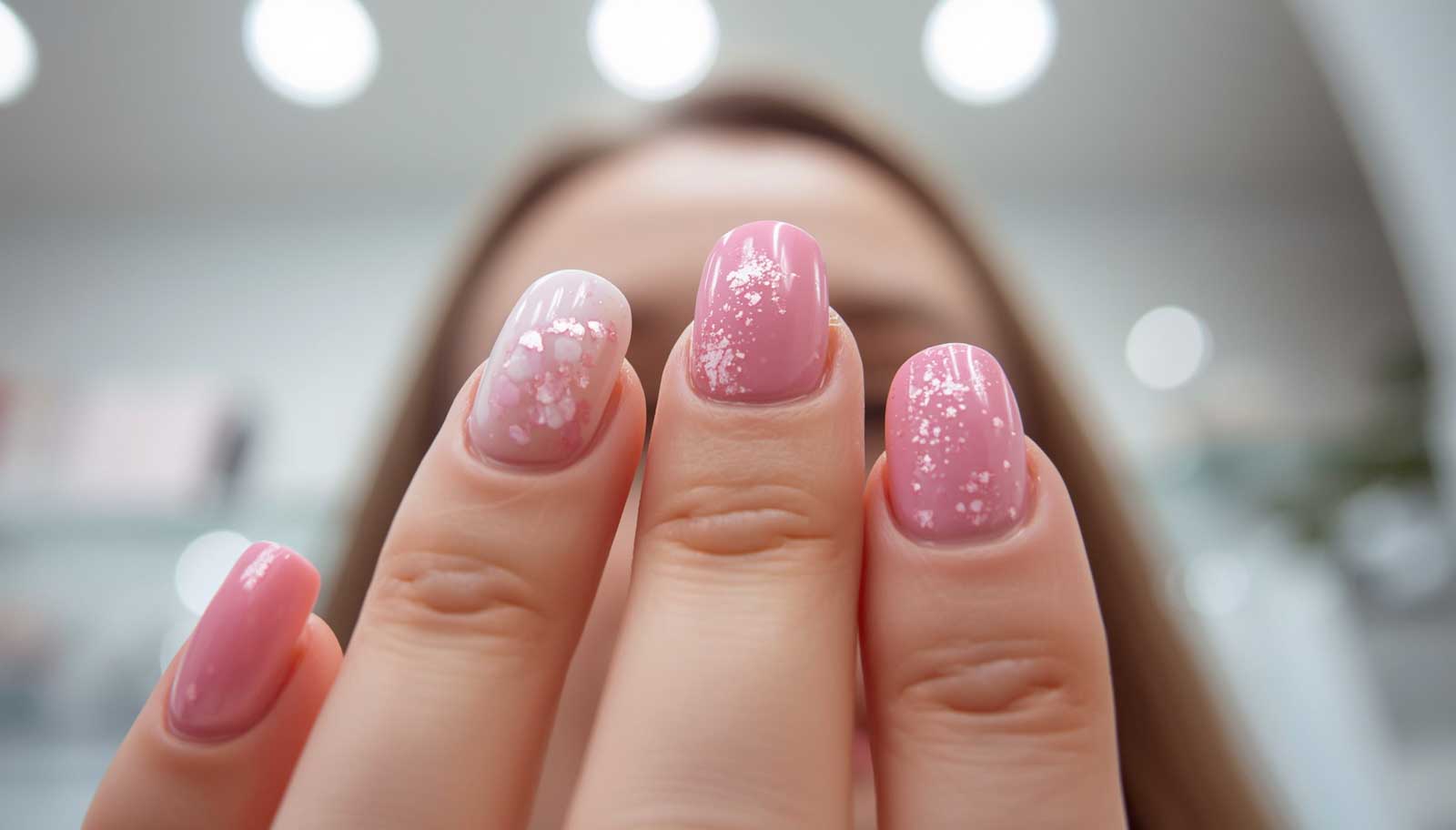
A strengthening base coat followed by two coats of polish and a quality top coat can help reinforce a small split while disguising the damage.
Darker shades, glitter polishes, and nail art designs are especially effective at hiding imperfections.
While polish alone won't repair the nail, it can buy you valuable time before a more permanent solution is needed.
Shorten the Nail Strategically
Many people immediately cut every nail short after breaking one.
That isn't always necessary.
If the break occurs near the edge, carefully filing and reshaping the damaged nail may allow you to keep most of your length.
A slightly shorter nail often looks much better than a jagged crack.
Sometimes removing just a few millimeters prevents the damage from spreading further.
The goal is preserving as much healthy nail as possible.
Don't Pull or Pick at the Crack
This is one of the biggest mistakes people make.
A small crack can quickly become a major break if you continue touching, picking, or bending it.
Every time the damaged area catches on clothing, hair, or objects, the tear may become larger.
Once you've repaired the nail, leave it alone.
Protecting the area gives the repair the best chance of lasting.
Apply Cuticle Oil Daily
Hydration plays an important role in nail health.
Dry nails tend to be more brittle and vulnerable to breakage.
Regular cuticle oil helps improve flexibility and can reduce the likelihood of future cracks.
Ingredients such as jojoba oil, vitamin E, and sweet almond oil are particularly popular for nail care.
While cuticle oil won't instantly repair a broken nail, it helps support healthier growth moving forward.
When a Silk Wrap Is Worth Considering
If you're dealing with a larger crack but don't want to shorten the nail, a silk wrap may be an option.
Silk wraps are thin reinforcing materials designed specifically for nail repairs.
They are commonly used by professional nail technicians and can provide additional durability compared to basic home methods.
Many beauty supply stores sell silk wrap kits for at-home use.
While slightly more involved than the tea bag method, the results can be impressive.
Avoid Activities That Stress the Nail
A freshly repaired nail needs protection.
For the next few days, try to avoid activities that place excessive pressure on the damaged area.
This includes:
Opening cans
Scraping labels
Using nails as tools
Heavy cleaning without gloves
Even a strong repair can fail if the nail experiences too much stress too soon.
Being extra careful for a few days can significantly extend the life of the repair.
How Long Does It Take for a Broken Nail to Grow Out?
This depends on the location of the break.
Fingernails grow approximately 2 to 3 millimeters per month.
A crack near the tip may grow out relatively quickly.
A deeper break closer to the cuticle can take several months to completely disappear.
Patience is often necessary.
The repair itself is temporary, but healthy new growth eventually replaces the damaged section.
Preventing Future Nail Breaks
While accidents happen, certain habits can reduce the likelihood of future breaks.
Regular moisturizing, proper filing, gentle nail care, and avoiding the use of nails as tools all help strengthen the nail structure over time.
Many people discover that their nails become significantly more resilient after incorporating daily cuticle oil and hand cream into their routine.
Healthy nails are generally less prone to unexpected damage.
Signs the Nail Needs More Than a Cosmetic Fix
Most broken nails can be managed at home, but some situations require additional attention.
Seek professional advice if you notice:
Persistent pain
Bleeding
Signs of infection
Significant nail separation
Severe swelling
A cosmetic repair should never replace proper care for a serious injury.
When in doubt, prioritize nail health over appearance.
Final Thoughts
A broken nail doesn't always mean the end of your manicure. In many cases, quick fixes such as the tea bag method, nail glue repairs, strategic filing, or a fresh coat of polish can help save the nail while it grows out naturally.
The key is acting quickly, protecting the damaged area, and avoiding habits that could make the break worse.
While no repair lasts forever, a well-executed fix can keep your nails looking polished and presentable until healthy new growth takes over.
And perhaps the most important lesson is this: even the strongest nails break occasionally. The difference is knowing how to repair them before a small crack turns into a major setback.

Comments (0)
No comments yet. Be the first to share your thoughts!
Leave a Comment
You must be logged in to post a comment.