


Getting nail glue on your skin is a common accident when applying press-on nails, fake nails, or nail tips. Because nail glue is designed to create a strong bond, it can stick to your fingers almost instantly. Fortunately, most cases can be treated at home using gentle methods that loosen the adhesive without damaging your skin.
The biggest mistake people make is trying to peel or pull the glue off. This can remove healthy skin, cause irritation, and even create small cuts.
In this guide, you'll learn how to remove nail glue from skin safely using simple household items and know when it's time to seek medical attention.
Is Nail Glue Safe on Skin?
In small amounts, nail glue usually isn't dangerous if it accidentally gets on your skin.
Most nail glues contain cyanoacrylate, the same family of fast-drying adhesives used in many instant glues. While it bonds quickly, it normally sticks to the outer layer of dead skin and gradually loosens over time.
If your fingers become completely stuck together, the glue gets into your eyes or mouth, or you develop severe irritation, seek medical attention immediately.
What You'll Need
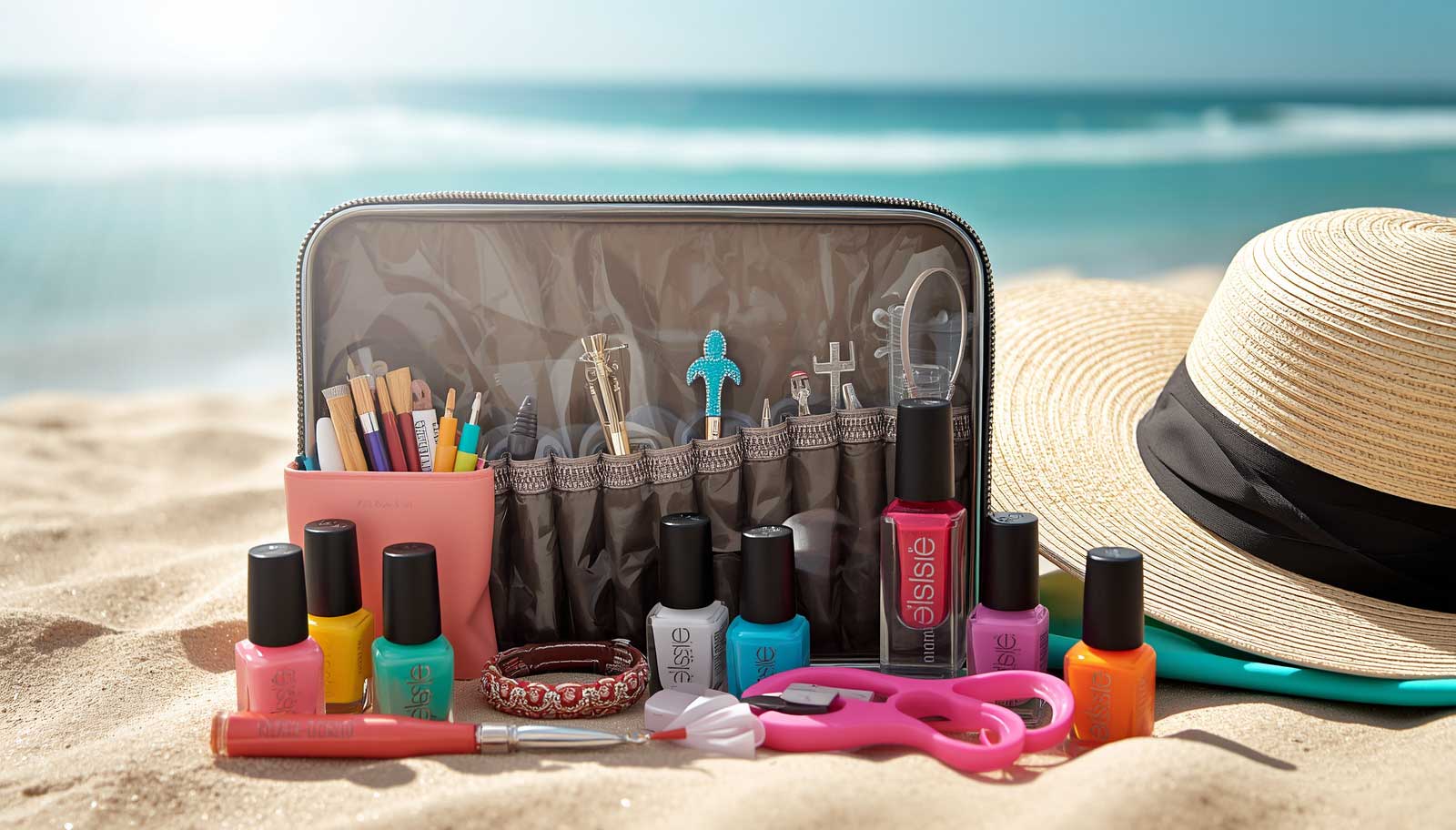
Depending on the amount of glue, you may only need a few simple supplies.
- Warm water
- Mild soap
- Small bowl
- Cuticle oil or olive oil
- Petroleum jelly
- Cotton pads
- Acetone-based nail polish remover (if needed)
- Soft towel
You won't necessarily need every item. Start with the gentlest method before using acetone.
Method 1: Soak in Warm Soapy Water
Warm water is often enough for small amounts of nail glue.
Fill a bowl with comfortably warm water and add a little mild soap.
Soak the affected area for about 10 to 15 minutes.
The warm water helps soften the glue, making it easier to rub away gently using your fingers or a soft towel.
Never scrape the glue off with sharp tools.
Method 2: Use Cuticle Oil or Olive Oil
If the glue remains attached, massage a few drops of cuticle oil or olive oil onto the affected area.
Let the oil sit for several minutes before gently rubbing the skin.
The oil helps reduce the bond between the glue and your skin while also preventing dryness.
This method works especially well for glue around the cuticles.
Method 3: Apply Petroleum Jelly
Petroleum jelly is another gentle option.
Apply a generous amount directly over the dried glue and massage it into the skin using small circular motions.
Leave it on for five to ten minutes before wiping away the loosened adhesive.
Repeat if necessary.
This method is especially helpful for people with sensitive skin.
Method 4: Use Acetone for Stubborn Glue
If the glue still won't come off, acetone-based nail polish remover may be necessary.
Moisten a cotton pad with acetone and press it gently against the glued area for a few seconds.
Once the glue begins softening, rub it away carefully.
Wash your hands afterward and apply moisturizer because acetone can dry the skin.
Avoid using acetone on broken or irritated skin.
What If Your Fingers Are Glued Together?
Stay calm and avoid pulling your fingers apart.
Instead, soak them in warm soapy water for several minutes.
Apply oil around the edges of the bonded area and gently work your fingers back and forth.
If necessary, use a small amount of acetone to help dissolve the remaining glue.
Forcing your fingers apart can tear the skin.
How Long Does Nail Glue Stay on Skin?
Small amounts of nail glue often loosen within a few hours or a day through normal hand washing and natural skin oils.
Larger amounts may take a little longer, especially if the glue formed a thick layer.
Using the methods above can speed up the process without damaging your skin.
Common Mistakes to Avoid
One of the biggest mistakes is pulling dried glue off like peeling paint.
Although it may seem ready to come off, it can still be attached to healthy skin underneath.
Using sharp tools such as knives, scissors, or metal scrapers is another mistake that can cause cuts and irritation.
Some people also use excessive acetone immediately. While acetone is effective, starting with gentler methods is usually better for your skin.
Finally, avoid picking at the glue repeatedly. Patience often produces better results than force.
How to Care for Your Skin After Removing Nail Glue
Once the glue has been removed, wash the area with mild soap and water.
Apply a moisturizing hand cream or cuticle oil to restore hydration.
If your skin feels dry or irritated, continue moisturizing for the next few days.
Healthy skin recovers much faster when it stays hydrated.
How to Prevent Nail Glue from Getting on Your Skin
Using small amounts of glue is the easiest way to avoid messy application.
Apply the glue carefully to the artificial nail or natural nail rather than letting it spread onto the surrounding skin.
Keep a cotton swab nearby to wipe away excess glue before it dries.
Working slowly also helps reduce accidental spills and sticking.
When Should You Seek Medical Help?
Most nail glue accidents can be handled at home, but some situations require medical attention.
Seek professional care if:
- Your eyes, lips, or mouth become glued together.
- The glued area becomes swollen, very painful, or infected.
- You develop an allergic reaction such as severe redness, blistering, or difficulty breathing.
- Your fingers cannot be safely separated after trying gentle removal methods.
Final Thoughts
Learning how to remove nail glue from skin is simple when you use the right approach. Warm soapy water, natural oils, petroleum jelly, and acetone can all help loosen stubborn adhesive without harming your skin when used correctly.
The most important thing is to avoid pulling or scraping the glue away by force. A little patience, combined with gentle removal techniques, will keep your skin healthy while making the cleanup process much easier.

Comments (0)
No comments yet. Be the first to share your thoughts!
Leave a Comment
You must be logged in to post a comment.