The Ultimate Guide to Nail Care During Pregnancy: What’s Safe and What to Avoid

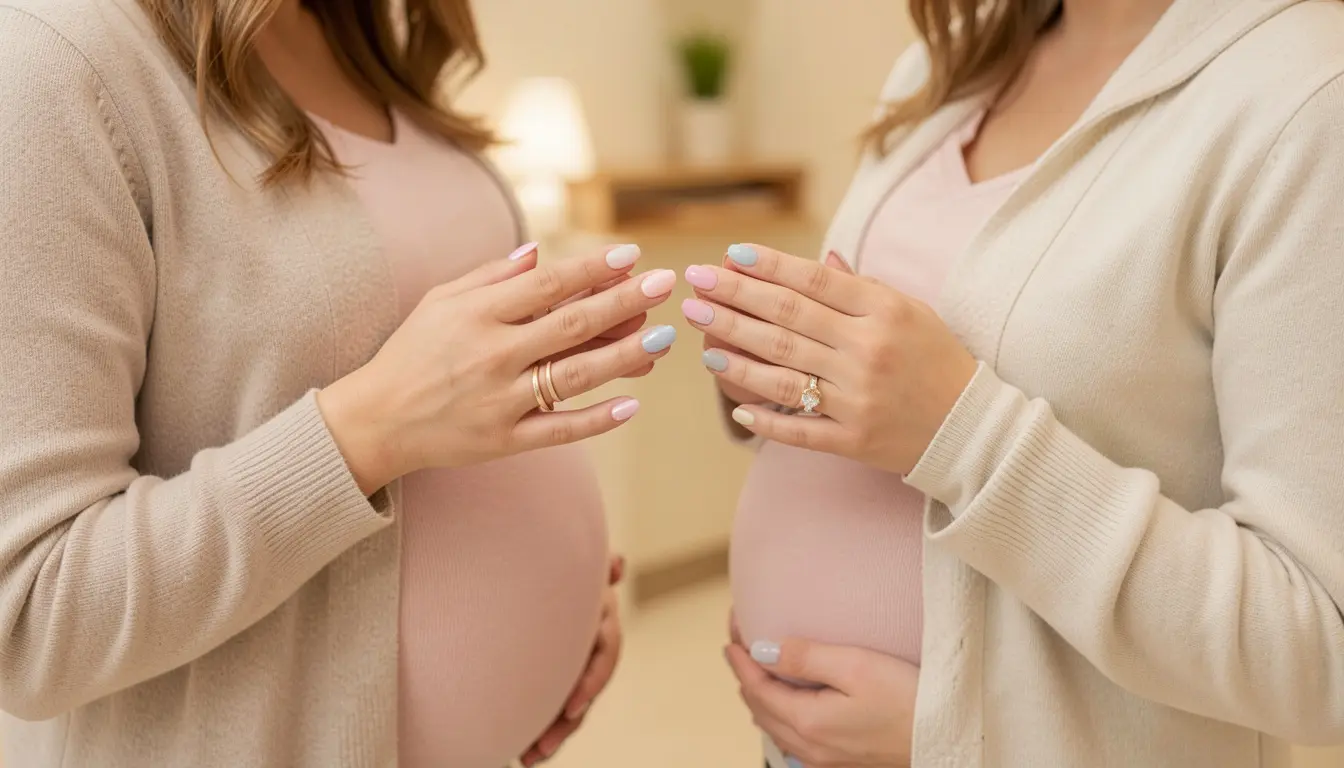
Pregnancy brings countless changes to the body, and your nails are no exception. Some women notice stronger, faster-growing nails during pregnancy, while others experience brittleness, peeling, or increased sensitivity. Hormonal changes, nutritional needs, and lifestyle adjustments can all affect nail health throughout pregnancy.
At the same time, many expectant mothers find themselves questioning their usual beauty routines. Is nail polish safe during pregnancy? Can you still get gel manicures? What about acrylic nails, acetone, and nail salon visits?
The good news is that most nail care practices can be enjoyed safely during pregnancy with a few sensible precautions. Understanding which products and habits are considered safe and which ones deserve extra caution can help you maintain healthy, beautiful nails throughout your pregnancy journey.
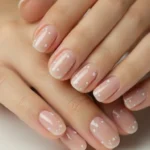
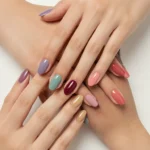

Why Pregnancy Can Change Your Nails
Pregnancy hormones can affect nail growth in different ways.
Many women notice that their nails grow faster than usual. Increased blood circulation and hormonal fluctuations may contribute to this accelerated growth. Some people enjoy stronger nails during pregnancy and find that their nails reach lengths they could never achieve before.
However, not everyone has the same experience.
Some women develop brittle, peeling, or splitting nails due to changes in hydration, nutrient demands, or hormonal shifts. These changes are usually temporary and often improve after pregnancy.
Understanding that nail changes are normal can help reduce unnecessary worry.
Is Nail Polish Safe During Pregnancy?
One of the most common pregnancy beauty questions involves nail polish.
Most healthcare professionals agree that occasional use of nail polish during pregnancy is generally considered low risk. The amount of chemical exposure from normal nail polish use is very small.
Many modern nail polish brands have also removed ingredients that were once considered more concerning.
You may see products labeled as:
- 3-free
- 5-free
- 7-free
- 10-free
These formulas are designed without certain chemicals commonly avoided by some consumers.
If you choose to wear nail polish during pregnancy, applying it in a well-ventilated area is a simple precaution that can help reduce inhalation of fumes.
Are Gel Manicures Safe During Pregnancy?
Gel manicures are another common concern.
In general, occasional gel manicures are considered low risk during pregnancy. The UV or LED lamps used for curing gel polish expose only a small area of skin for a short amount of time.
Some women choose to apply sunscreen to their hands before curing or wear UV-protective gloves with exposed fingertips as an extra precaution.
The larger concern often involves the removal process rather than the gel polish itself. Acetone used during removal can be drying and may produce strong fumes.
Proper ventilation remains important whenever gel polish is applied or removed.
What About Acrylic Nails?
Acrylic nails are slightly more controversial because the application process often involves stronger chemical odors.
Current evidence does not suggest that occasional acrylic nail use causes pregnancy complications. However, the fumes associated with acrylic products can sometimes trigger nausea, headaches, or discomfort, particularly during the first trimester when many women experience heightened sensitivity to smells.
If you choose to get acrylic nails during pregnancy, consider visiting a salon with excellent ventilation.
You should also avoid prolonged exposure to strong chemical odors whenever possible.
Is Acetone Safe During Pregnancy?
Acetone is commonly used for removing nail polish, gel polish, and artificial nails.
Small amounts of acetone exposure during occasional nail removal are generally considered low risk. However, acetone fumes can be unpleasant and may contribute to dizziness or nausea in some pregnant women.
To minimize exposure:
- Use acetone in a well-ventilated room
- Avoid prolonged soaking sessions
- Wash hands after use
- Moisturize nails and skin afterward
For routine polish removal, some women prefer acetone-free removers, although these may be less effective for gel products.
Nail Salon Safety During Pregnancy
Many pregnant women continue visiting nail salons throughout pregnancy without problems.
The key consideration is ventilation.
Strong odors from nail products can sometimes be uncomfortable, especially during the first trimester. Choosing a salon with good airflow can make the experience more pleasant.
When selecting a salon, consider whether the environment appears clean and hygienic. Proper sanitation practices help reduce the risk of infections, which is important during pregnancy.
If a salon’s chemical odors feel overwhelming, it may be better to postpone the appointment or choose a different location.
Why Cuticle Care Matters During Pregnancy
Hormonal changes can sometimes cause dry skin and cuticles.
Many pregnant women focus on moisturizing their growing belly but forget that nails and cuticles also benefit from hydration.
Regular cuticle care can help prevent:
- Dryness
- Cracking
- Hangnails
- Nail peeling
Applying cuticle oil daily is one of the easiest ways to support healthy nails during pregnancy.
Ingredients such as jojoba oil, vitamin E, and sweet almond oil are commonly used in nourishing nail oils.
Nutrients That Support Healthy Nails During Pregnancy
Healthy nails depend heavily on nutrition.
Pregnancy increases the body’s demand for various nutrients, many of which contribute to nail growth and strength.
Important nutrients include:
- Protein
- Iron
- Zinc
- Biotin
- Vitamin B12
- Folate
- Omega-3 fatty acids
Most prenatal vitamins already contain many of these nutrients.
Rather than taking additional supplements specifically for nail growth, it is usually best to follow your healthcare provider’s recommendations regarding prenatal nutrition.
Common Nail Changes During Pregnancy
Not all nail changes are cause for concern.
Many pregnant women experience:
- Faster nail growth
- Increased nail thickness
- Brittle nails
- Nail splitting
- Dry cuticles
- Changes in nail texture
These changes are often temporary and tend to improve after delivery.
However, severe nail abnormalities should always be discussed with a healthcare professional, especially if accompanied by other symptoms.
Nail Care Habits to Avoid During Pregnancy
Most routine nail care is perfectly acceptable, but there are a few habits worth avoiding.
Avoid Picking or Biting Nails
Damaged skin around the nails can increase the risk of infection.
Pregnancy is a good time to focus on healthy nail habits and avoid behaviors that may introduce bacteria into small cuts or wounds.
Avoid Poorly Ventilated Spaces
Whether applying nail polish at home or visiting a salon, fresh air matters.
Strong chemical odors may not necessarily be dangerous in small amounts, but they can increase discomfort and nausea.
Avoid Overusing Harsh Chemicals
Repeated exposure to strong removers and aggressive nail treatments can dry out nails and skin.
Gentle nail care routines are often the best approach during pregnancy.
Can Pregnancy Make Nails Stronger?
Interestingly, many women report stronger nails during pregnancy.
While scientists are not entirely certain why this occurs, hormonal changes and improved nutrition may contribute.
However, this effect is not universal.
Some women experience exactly the opposite and notice increased brittleness or peeling.
Both experiences are considered normal.
Postpartum Nail Changes
After giving birth, some women notice changes in nail growth and strength.
Hormone levels begin shifting again, and nail growth patterns may return to their pre-pregnancy state.
It is not unusual for nails that seemed unusually strong during pregnancy to become more fragile afterward.
Maintaining a consistent nail care routine can help support healthy nails during this transition.
When to Talk to Your Doctor
Most nail changes during pregnancy are harmless.
However, you should consult your healthcare provider if you notice:
- Significant nail discoloration
- Painful swelling around the nails
- Severe nail separation
- Signs of infection
- Sudden dramatic nail changes
While uncommon, certain nail abnormalities may occasionally reflect underlying health concerns that deserve evaluation.
Final Thoughts
Pregnancy does not mean you have to abandon your nail care routine. Most nail polish, gel manicures, and standard nail treatments can be enjoyed safely with reasonable precautions and proper ventilation.
The biggest priorities are minimizing unnecessary chemical exposure, maintaining good hygiene, and keeping nails hydrated and healthy.
Every pregnancy is unique, and comfort levels vary from person to person. If a product’s smell makes you feel unwell or a salon environment feels overwhelming, trust your instincts and choose alternatives that feel more comfortable.
With a gentle approach and a focus on healthy nail habits, you can continue enjoying beautiful nails throughout pregnancy while supporting your overall well-being and peace of mind.