


Whether you do your own manicures at home or regularly maintain a DIY nail kit, keeping your nail tools clean is one of the most important parts of nail care. While people often focus on polish colors, nail art, and manicure techniques, sanitation is what helps protect both your nails and your skin.
Nail tools come into contact with dead skin, natural oils, nail dust, and occasionally tiny cuts or hangnails. Without proper cleaning, these tools can collect bacteria and other unwanted contaminants over time.
The good news is that sanitizing your nail tools isn't difficult. With a few simple habits, you can keep your equipment cleaner, extend the life of your tools, and create a safer manicure experience at home.
Here's everything you need to know about sanitizing your nail tools properly.
Why Nail Tool Sanitation Matters
Many people assume that because they are the only person using their tools, sanitation isn't particularly important.
In reality, nail tools can accumulate debris after every manicure.
Even small amounts of residue can affect tool performance and cleanliness.
Proper sanitation helps:
Remove buildup
Reduce bacteria
Extend tool lifespan
Support healthier nails
Create a cleaner manicure environment
Think of it the same way you think about cleaning makeup brushes or skincare tools.
Regular maintenance matters.
Know the Difference Between Cleaning and Sanitizing
One of the biggest misconceptions is that cleaning and sanitizing are the same thing.
They are actually two separate steps.
Cleaning removes visible dirt, dust, oils, and debris from the surface of a tool.
Sanitizing helps reduce microorganisms that may remain after cleaning.
For best results, tools should always be cleaned before being sanitized.
Trying to sanitize a dirty tool is much less effective.
A clean surface allows sanitizing products to work properly.
Start by Removing Visible Debris
After every manicure, inspect your tools.
Nail clippers, cuticle pushers, nippers, and other metal tools often collect tiny amounts of nail dust and skin particles.
Use warm water and mild soap to remove visible residue.
A small brush can help clean hard-to-reach areas.
Pay special attention to joints, hinges, and textured surfaces where debris may collect.
This simple step forms the foundation of proper tool care.
Wash With Soap and Warm Water
For most reusable metal nail tools, a thorough wash with soap and warm water is the first step.
Gently scrub the tool surface and rinse thoroughly.
Avoid rushing through this process.
Even tools that appear clean may still have invisible residue.
Once washed, dry the tools completely using a clean towel.
Moisture left behind can contribute to rust and reduce tool longevity.
Drying is just as important as cleaning.
Use Isopropyl Alcohol for Additional Sanitizing
One of the simplest ways to sanitize metal nail tools at home is with isopropyl alcohol.
Many people use 70 percent alcohol because it is widely available and effective for routine sanitation.
After cleaning and drying the tools, wipe them thoroughly with alcohol or allow them to soak briefly according to product instructions.
The alcohol helps reduce microorganisms that may remain on the surface.
Allow the tools to air dry completely before storing them.
This method is simple, affordable, and suitable for most home nail care routines.
Pay Extra Attention to Cuticle Nippers
Cuticle nippers deserve special attention because they come into close contact with the skin around the nails.
Even minor nicks or hangnails can increase the importance of proper sanitation.
After each use, carefully clean the blades and sanitize them thoroughly.
Keeping nippers clean helps maintain both hygiene and cutting performance.
Sharp, clean tools generally work better and last longer.
Don't Forget Nail Clippers
Nail clippers are often overlooked because they seem low-maintenance.
However, they can collect debris inside the cutting mechanism.
Regular cleaning helps prevent buildup and keeps them functioning properly.
A quick wash and alcohol wipe after use can go a long way toward maintaining cleanliness.
Simple habits often prevent bigger problems later.
What About Nail Files?
Nail files require a different approach.
Some files are designed to be disposable and should be replaced periodically rather than sanitized repeatedly.
Traditional cardboard or emery board files can be difficult to disinfect thoroughly because they absorb moisture.
Glass and crystal nail files are easier to clean.
These can usually be washed with soap and water and then sanitized using alcohol.
Many nail enthusiasts prefer glass files partly because they are easier to maintain over time.
Buffers May Need Regular Replacement
Nail buffers are another item that often requires replacement rather than extensive sanitizing.
Because their surfaces are porous, they can trap residue and become difficult to clean completely.
If a buffer becomes worn, stained, or heavily used, replacing it is often the best option.
Fortunately, buffers are relatively inexpensive.
Regular replacement helps maintain both hygiene and performance.
Clean Your Workspace Too
Sanitizing tools is only part of the process.
Your manicure area also deserves attention.
Wipe down tables, trays, and other surfaces after each manicure session.
Removing dust and polish residue helps create a cleaner environment overall.
A clean workspace complements clean tools.
Together, they help support healthier nail care habits.
Store Tools Properly
Once tools are clean and dry, proper storage becomes important.
Throwing sanitized tools into a cluttered drawer can expose them to dust and contamination again.
Instead, consider storing them in:
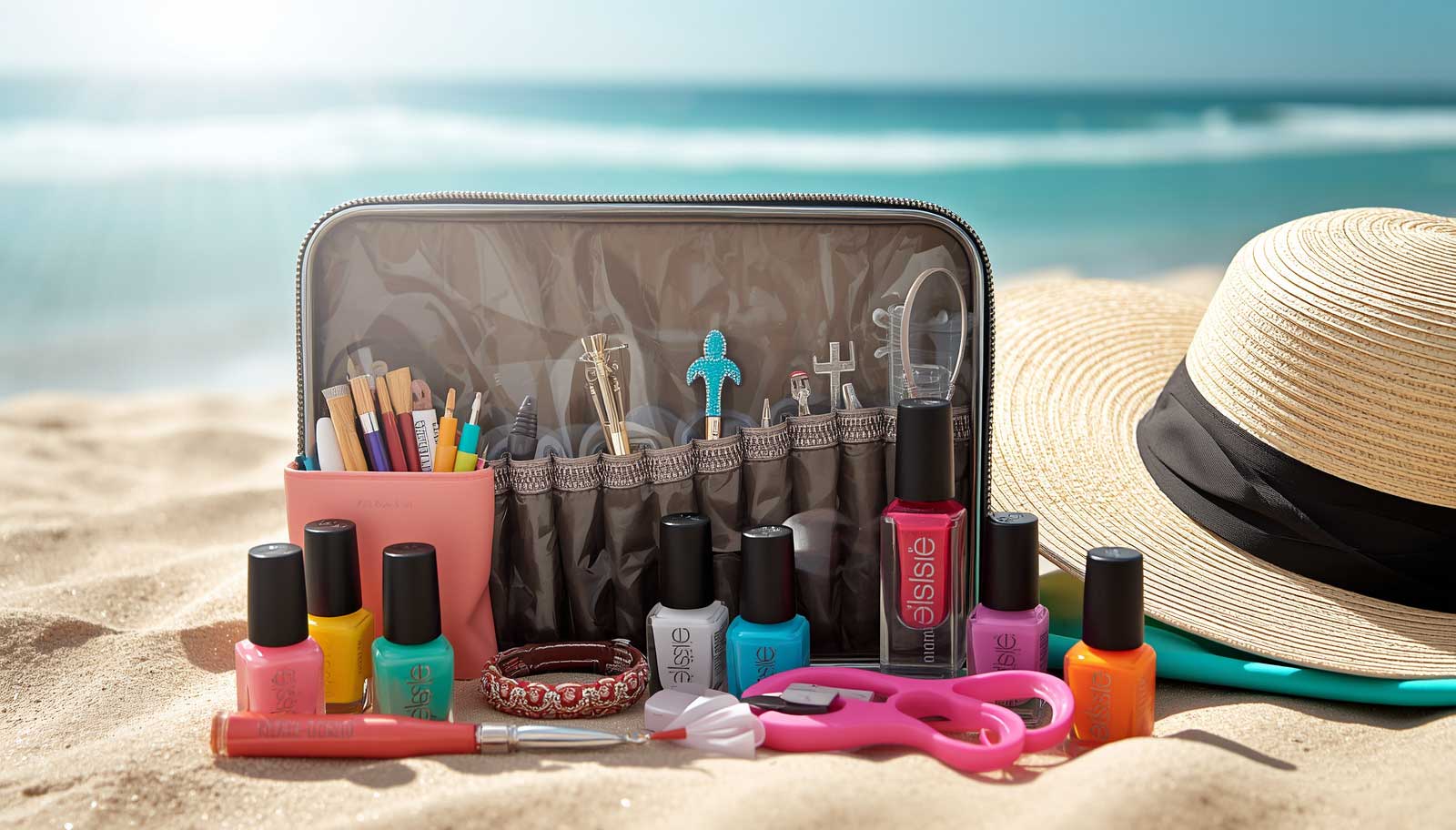
A clean pouch
A manicure case
A dedicated storage box
Organized storage helps keep tools protected between uses.
It also makes your nail routine more efficient.
Watch for Signs of Wear
Sanitation is important, but so is knowing when to replace a tool.
Over time, tools can become:
Rusted
Dull
Damaged
Difficult to clean
A worn-out tool may not perform properly regardless of how well it's sanitized.
Inspect your manicure kit periodically and replace items that have reached the end of their useful life.
Quality tools are an investment in both nail care and safety.
Avoid Sharing Personal Nail Tools
Even well-sanitized tools are best kept personal whenever possible.
Sharing nail tools increases the potential for cross-contamination.
If tools must be shared, thorough cleaning and sanitizing become even more important.
Many professionals recommend treating nail tools similarly to personal grooming items such as razors or toothbrushes.
Personal tools generally stay cleaner and easier to maintain.
How Often Should You Sanitize Your Tools?
For personal use, cleaning and sanitizing after each manicure session is a good habit.
Tools that come into direct contact with skin should receive particular attention.
Regular maintenance prevents buildup and keeps the process manageable.
Waiting until tools appear dirty often makes cleaning more difficult.
Consistency is easier than deep cleaning months of accumulated residue.
Common Sanitation Mistakes
Many people unintentionally make sanitation mistakes that reduce effectiveness.
Some of the most common include:
Skipping the cleaning step
Storing tools while damp
Using damaged tools
Forgetting hinges and joints
Keeping old disposable files too long
Fortunately, these issues are easy to correct once you're aware of them.
Small improvements often make a big difference.
Final Thoughts
Properly sanitizing your nail tools is one of the simplest ways to support healthier nails and a safer manicure routine. While it may not be the most glamorous part of nail care, it plays a major role in maintaining clean, effective tools and protecting the skin around your nails.
The process doesn't need to be complicated. Regular cleaning, proper sanitizing, thorough drying, and smart storage habits can keep most DIY manicure tools in excellent condition.
Beautiful nails start with healthy habits, and clean tools are one of the most important habits of all.
A few extra minutes of maintenance today can help your tools perform better and last longer for years to come.
Comments (0)
No comments yet. Be the first to share your thoughts!
Leave a Comment
You must be logged in to post a comment.