How to Stop Biting Your Nails for Good (What Actually Works)

Nail biting is one of the most common habits in the world, yet it is surprisingly difficult to break. Many people start biting their nails during childhood and continue doing it well into adulthood. Some bite their nails when they feel stressed, anxious, bored, or distracted, while others do it so automatically that they barely realize it is happening.
If you have tried to stop biting your nails before and failed, you are not alone. Nail biting is considered a body-focused repetitive behavior, meaning it often becomes deeply connected to emotions, habits, and routines. Simply deciding to stop is usually not enough.
The good news is that people successfully quit nail biting every day. The key is understanding why you do it and using strategies that address the root cause rather than relying on willpower alone.

Why People Bite Their Nails
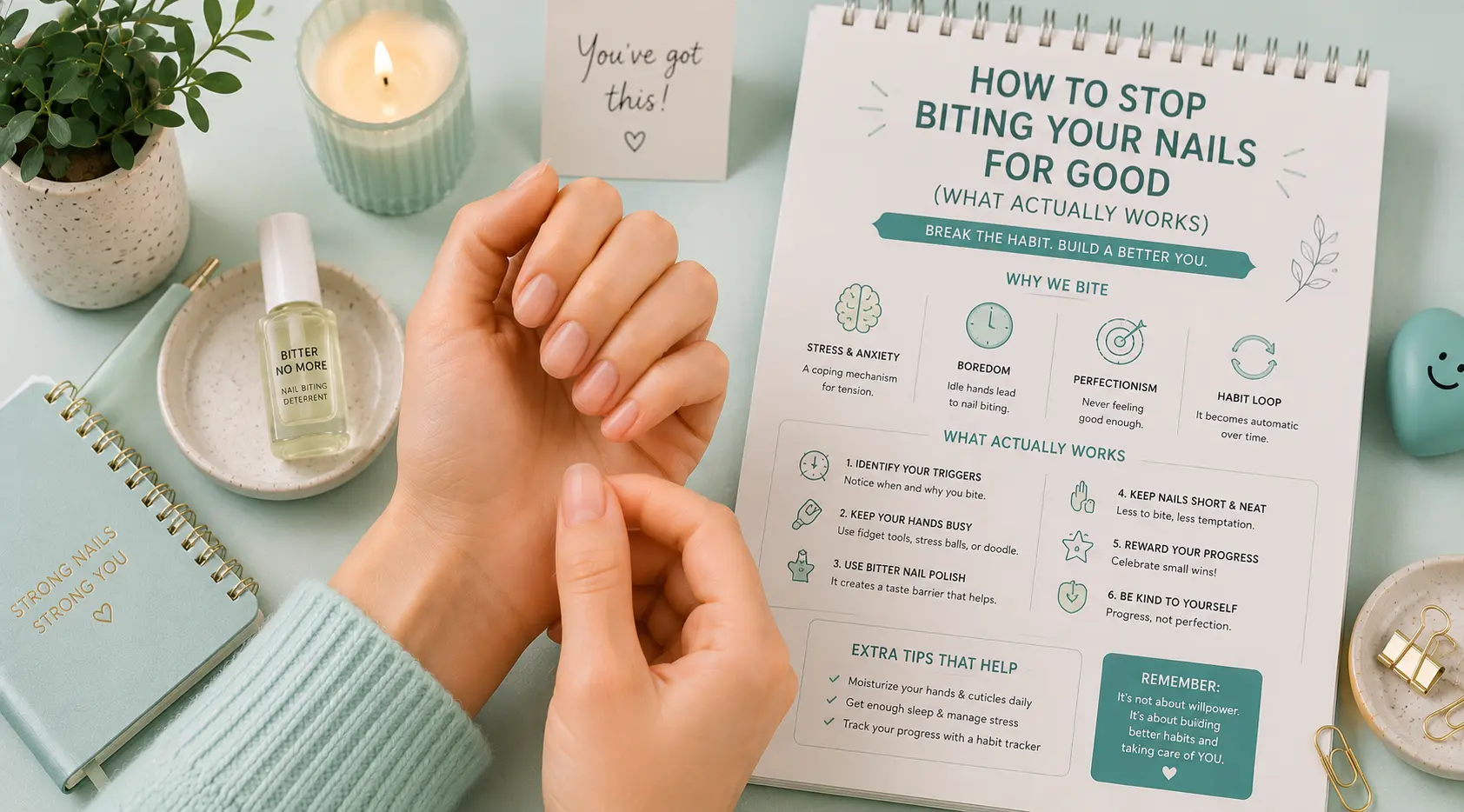
Nail biting, also known as onychophagia, can develop for several reasons.
Stress is one of the most common triggers. During stressful situations, nail biting may temporarily provide a sense of relief or distraction. Anxiety can have a similar effect.
For some people, boredom is the main culprit. They may bite their nails while watching television, reading, studying, driving, or scrolling through social media.
Perfectionism can also play a role. Some nail biters become obsessed with fixing rough edges, hangnails, or uneven nail shapes and end up chewing the nail further.
Because the habit often happens subconsciously, many people are unaware of how frequently they do it.
Why Nail Biting Can Be Harmful
While occasional nail biting may seem harmless, chronic nail biting can cause several problems.
Repeated biting weakens the nail plate and can lead to irregular nail growth. The skin around the nails often becomes damaged, inflamed, and painful.
Nail biting may also increase the risk of infections because bacteria and germs can enter through small cuts around the nail area.
Over time, severe nail biting can affect dental health as well. Constant pressure from biting may contribute to chipped teeth, enamel wear, or jaw discomfort.
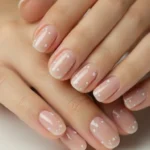
Many people are also frustrated by the cosmetic effects, including short nails, damaged cuticles, and uneven nail appearance.
Step One: Identify Your Triggers
One of the most effective ways to stop nail biting is to figure out exactly when and why it happens.
For a few days, pay attention to situations where you catch yourself biting your nails.
Ask yourself:
- Am I stressed?
- Am I anxious?
- Am I bored?
- Am I concentrating?
- Am I watching TV?
- Am I working at my computer?
Patterns usually begin to emerge quickly.
Once you know your triggers, you can start creating strategies to interrupt the behavior before it happens.
Keep Your Nails Trimmed and Smooth
Rough edges and hangnails are major triggers for many nail biters.
Keeping nails neatly trimmed and filed reduces the temptation to “fix” imperfections with your teeth.
A quality nail file can be surprisingly helpful. When you notice a rough spot, file it immediately instead of picking or biting it.
Many former nail biters report that regular nail maintenance significantly reduced their urges.
The smoother your nails feel, the fewer opportunities your brain has to justify biting them.
Try a Bitter-Tasting Nail Treatment
One of the most popular anti-nail-biting methods involves applying a clear bitter-tasting nail coating.
These products create an unpleasant taste whenever your fingers reach your mouth. While they are not a magic solution, they can increase awareness and interrupt automatic biting.
The biggest benefit is that they force you to recognize the behavior as it happens.
Many people discover they bite their nails far more often than they realized once they start using these treatments.
Bitter nail products tend to work best when combined with other habit-breaking strategies rather than used alone.
Replace the Habit Instead of Fighting It
Research on habit formation suggests that replacing a behavior is often easier than simply eliminating it.
Instead of focusing entirely on not biting your nails, try giving your hands something else to do.
Common alternatives include:
- Holding a stress ball
- Using a fidget toy
- Twisting a pen
- Playing with a small object
- Squeezing therapy putty
The goal is to satisfy the need for movement without damaging your nails.
Many successful habit changes happen when a harmful behavior is replaced with a healthier one.
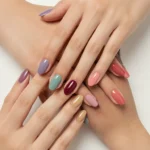
Consider Professional Manicures
A surprisingly effective strategy for some people is investing in regular manicures.
When your nails look polished and attractive, you may feel more motivated to protect them.
Even a simple clear coat or natural manicure can increase awareness of your nails and reduce unconscious biting.
Some people find that gel polish, dip powder, or nail enhancements make biting physically more difficult, creating an additional barrier during the early stages of habit change.
While professional manicures are not necessary, they can provide extra motivation.
Use the “One Nail at a Time” Method
Trying to quit nail biting completely overnight can feel overwhelming.
Instead, some experts recommend focusing on one nail at a time.
Choose a single nail and commit to protecting it. Once that nail begins growing successfully, add another.
This gradual approach often feels more manageable and creates early victories that build confidence.
Small successes can be surprisingly powerful when breaking long-standing habits.
Manage Stress More Effectively
Because stress is such a common trigger, improving stress management can significantly reduce nail biting.
Simple techniques may include:
- Regular exercise
- Deep breathing exercises
- Meditation
- Walking outdoors
- Journaling
- Better sleep habits
The goal is not to eliminate stress entirely but to create healthier ways of responding to it.
Many people notice that their nail biting decreases naturally when overall stress levels become more manageable.
Don’t Let Setbacks Ruin Your Progress
One of the biggest mistakes people make is giving up after a single relapse.
Breaking habits is rarely a straight line. Most people experience setbacks during the process.
If you catch yourself biting your nails again, avoid viewing it as failure. Instead, treat it as information.
Ask yourself what triggered the behavior and what you can do differently next time.
Progress is usually measured by fewer biting episodes over time, not by achieving instant perfection.
How Long Does It Take to Stop Biting Your Nails?
There is no exact timeline because every person is different.
Some people notice significant improvement within a few weeks. Others may need several months to fully break the habit.
The important thing is consistency.
As healthy nails begin growing in, many people become increasingly motivated to continue because they can finally see the results of their efforts.
Visible progress often reinforces positive behavior and makes future success easier.
What Healthy Nail Growth Looks Like
As you stop biting your nails, you will gradually notice several improvements.
Your nails may begin growing longer and stronger. The skin around the nails often becomes less inflamed and irritated.
Cuticles usually look healthier, and hangnails become less common.
Many former nail biters are surprised by how much their hands change after a few months of consistent effort.
The transformation is often more dramatic than expected.
Final Thoughts
Stopping nail biting is not simply about self-control. It is about understanding the habit, identifying triggers, and creating systems that make success easier.
The most effective solutions usually involve a combination of awareness, nail care, habit replacement, and stress management. While bitter nail treatments and manicures can help, lasting change often comes from addressing the reasons behind the behavior.
If you have struggled to quit before, do not get discouraged. Many people require multiple attempts before finding a strategy that works for them.
With patience, consistency, and the right approach, it is absolutely possible to stop biting your nails for good and finally enjoy stronger, healthier, and more attractive nails.